After almost three decades in the nonprofit sector, we learned that less is often just what an organization needs.
THE EDITOR-ARCHITECT FRAMEWORK™
After almost three decades in the nonprofit sector, we learned that less is often just what an organization needs.
OPERATIONS WITH A FUNDRAISER’S EYE
Editor-Architect Framework
THE INFRASTRUCTURE.
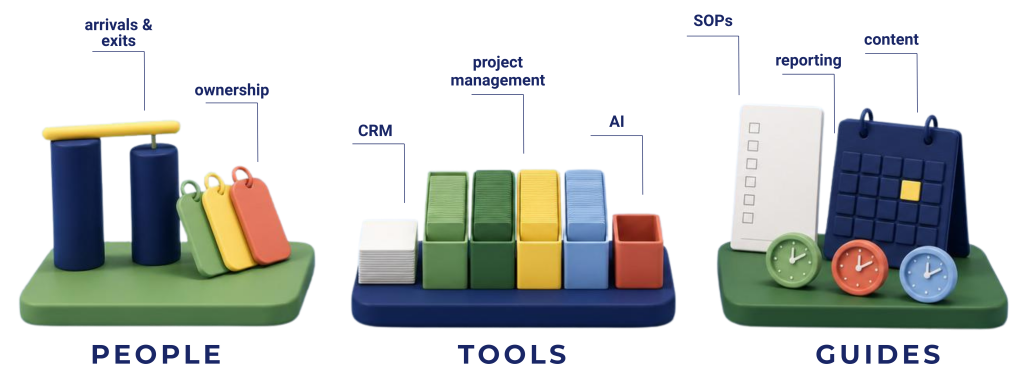
When people ask what we do, the honest answer is operations, and that word covers so much ground it tells you almost nothing. So we mapped it out. These nine systems are what we work on, grouped three ways. We have found that it is also the fastest way for someone to find themselves, because most people already know which square has been giving them trouble.
THE PERSONAL ASSESSMENT.
This is the framework turned into one question for each of your nine systems. Each one asks where the system stands, and whether it was built clean or built over the mess. You come out with a stage for each system and what to tackle first.
The Editor-Architect Framework
You can build a system on top of a mess and it will still look finished.
That is what this is looking for. Nine systems, one question each, and every question asks whether anything was cleared out before the thing went in.
It takes about five minutes, and there is nothing to fix by the end of it, only something to see.
What most operations reviews check
Whether the system exists.
What this one checks
What was still underneath it when it went in.
Step one of two
Which chair are you sitting in?
The nine systems are the same either way. The wording shifts to match the operation you are actually running.
Question 1 of 9
People · Arrivals
When a new person joins your team, what happens?
People · Exits
When someone leaves, what happens to what they carried?
People · Ownership
Who decides things, and how clear is that?
Tools · CRM
What is your CRM to you, honestly?
Tools · Project management
How does work move through your organization?
Tools · AI workflows
Where does AI sit in how you run?
Guides · SOPs
Where do your workflows actually live?
Guides · Reporting
When you need to know how things are going, what happens?
Guides · Content planning
How do your donor communications run?
People · Arrivals
When a new hire or subcontractor joins, what happens?
People · Exits
When someone leaves, what happens to what they carried?
People · Ownership
Who decides things, and how clear is that?
Tools · CRM
What is your CRM to you, honestly?
Tools · Project management
How does client work move through your firm?
Tools · AI workflows
Where does AI sit in how you run?
Guides · SOPs
Where does your method actually live?
Guides · Reporting
When you need to know how the firm is doing, what happens?
Guides · Content planning
How does your own marketing and business development run?
Your read
Your operation is holding, and it is running through people more than systems.
That is the frontier, not a failure. The work is getting done. What is missing is the system underneath it, and that is the most buildable problem there is.
Most of your operation is steady. One or two systems are carrying more strain than the rest.
Steady is a real accomplishment. It is also the state that never generates its own reason to move. The systems below the line are where the next gain is.
Your infrastructure is in strong shape. What is left is refinement, not repair.
You have built more than most organizations ever reach. The domains below are the last edges, not open wounds.
People
The systems that govern who joins, who leaves, and who decides.
Arrivals
Exits
Ownership
Tools
The systems that hold and move the actual work.
CRM
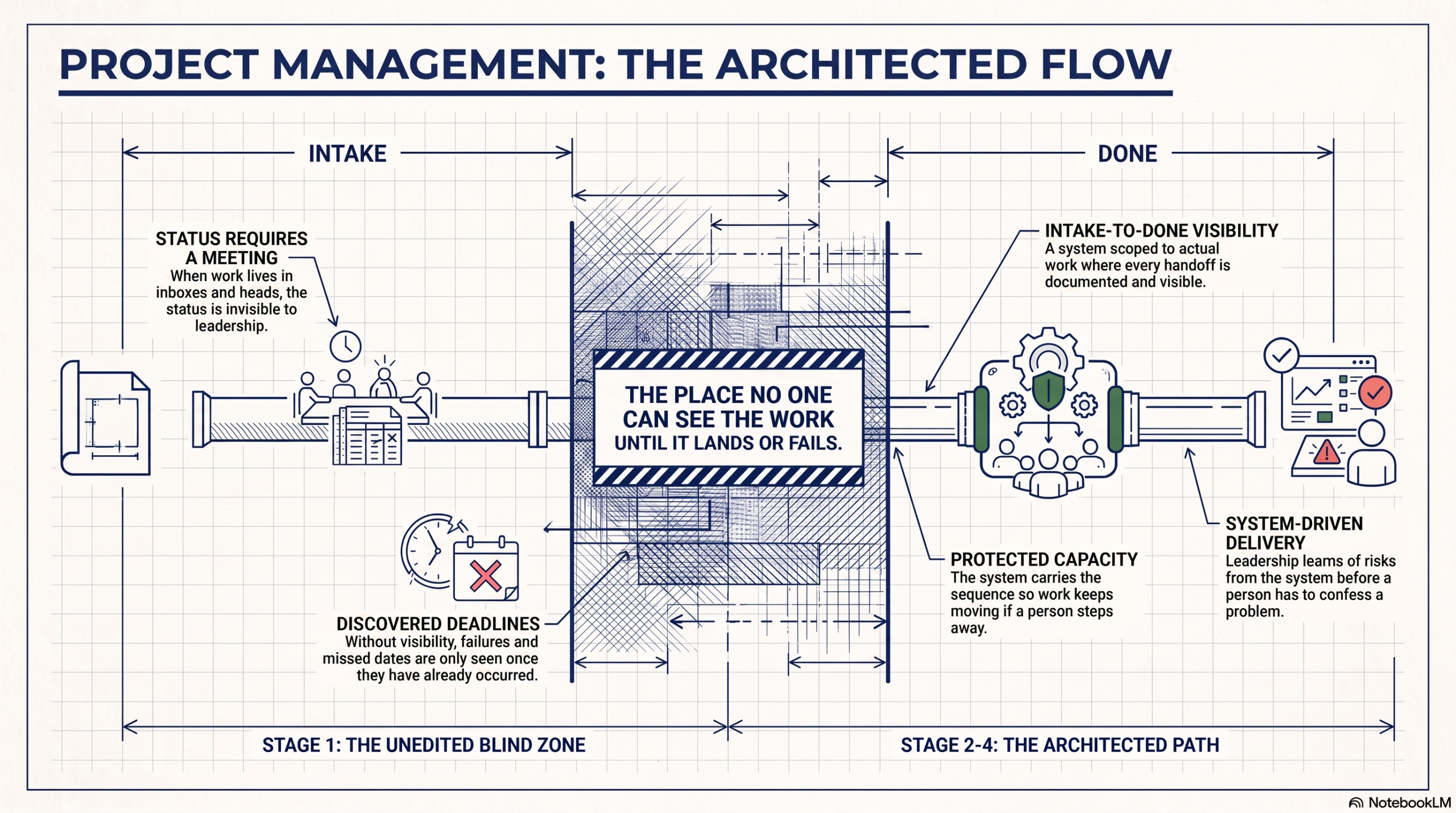
Project Management
AI Workflows
Guides
The systems that make the work repeatable, visible, and paced.
SOPs
Reporting
Content Planning
Where to Start
People
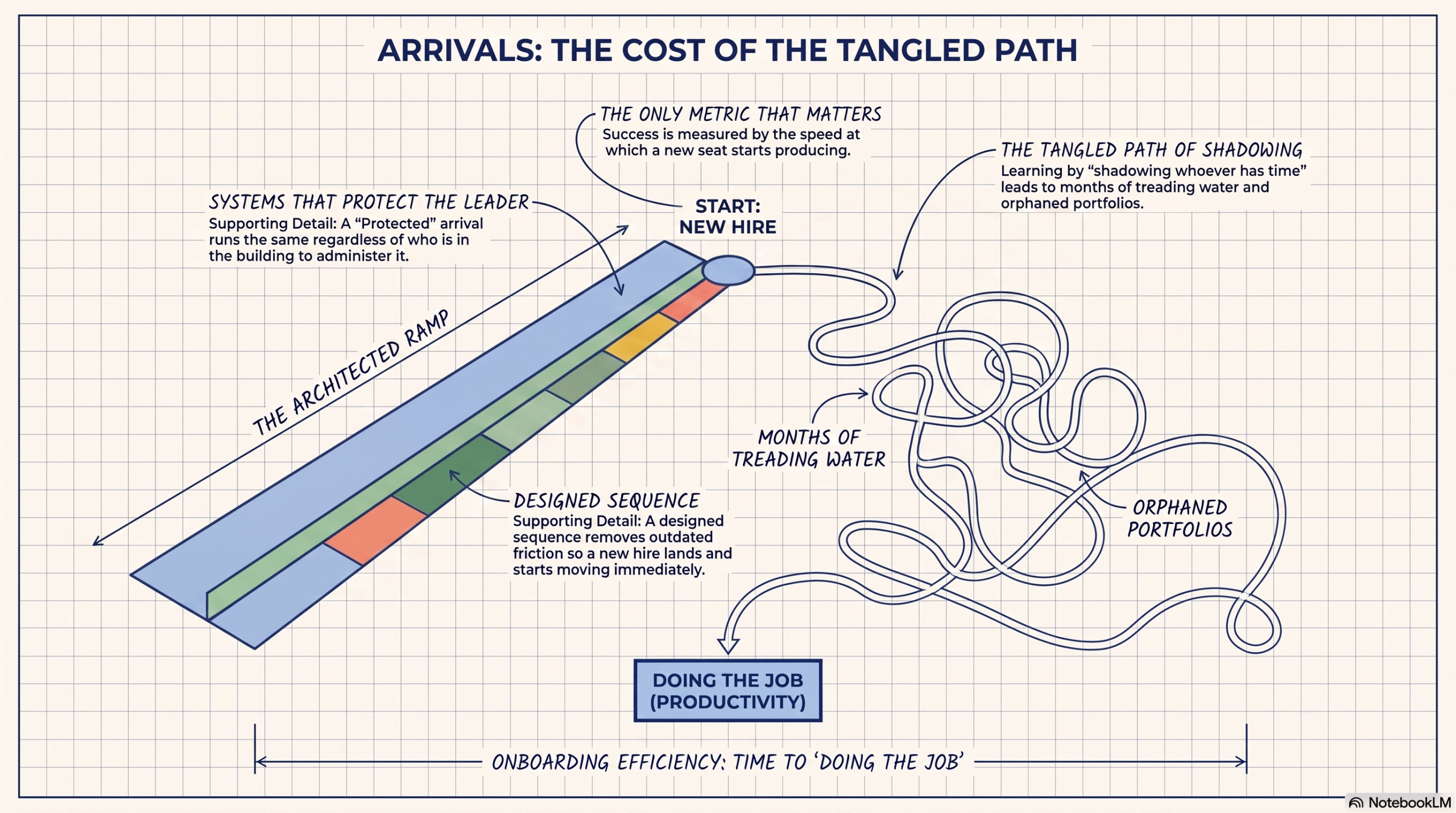
Arrivals. A designed arrival means a new hire’s first weeks look the same no matter who runs them.
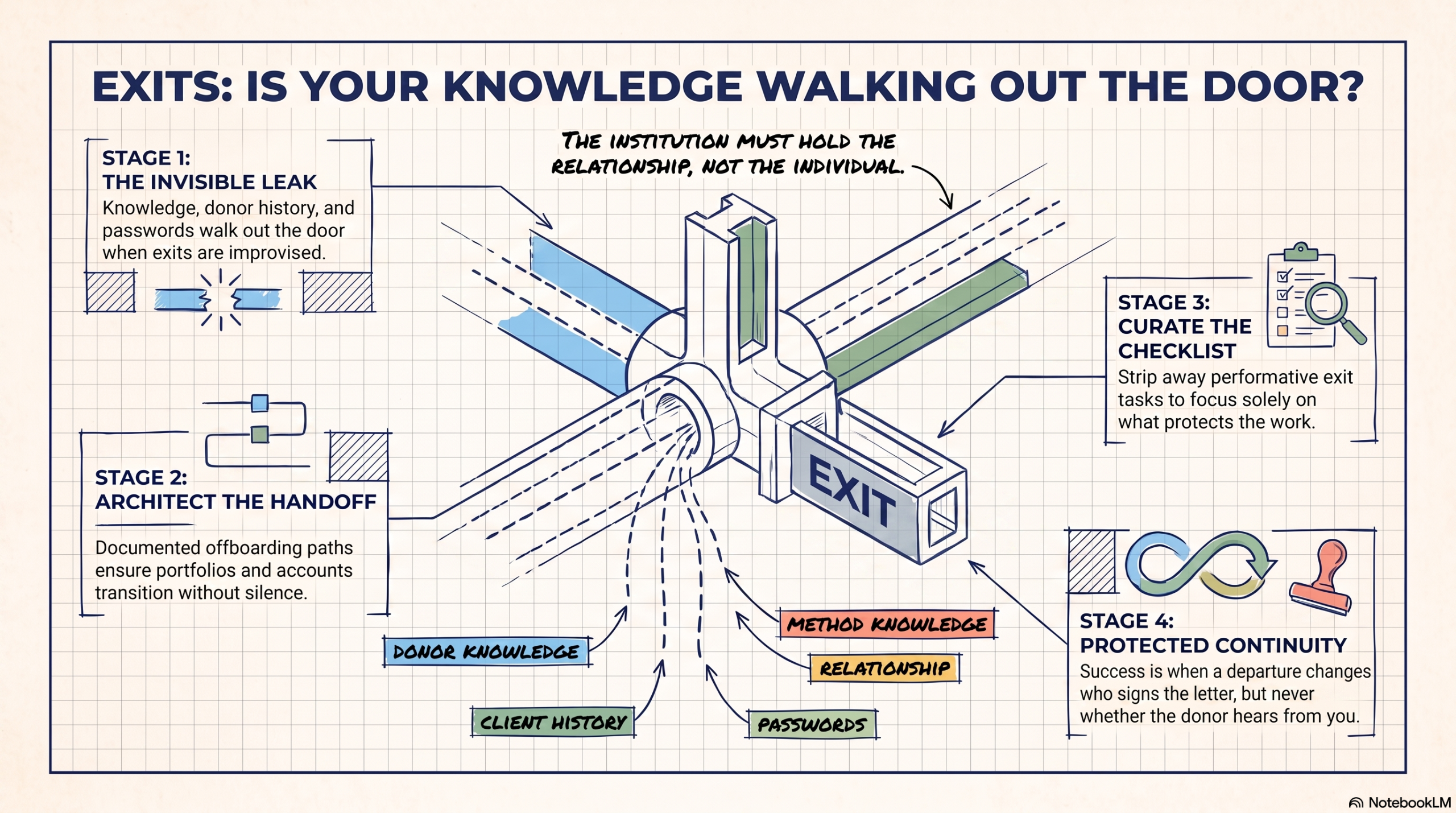
Exits. A real offboarding means a departure changes who signs the letter, not whether the donor hears from you.
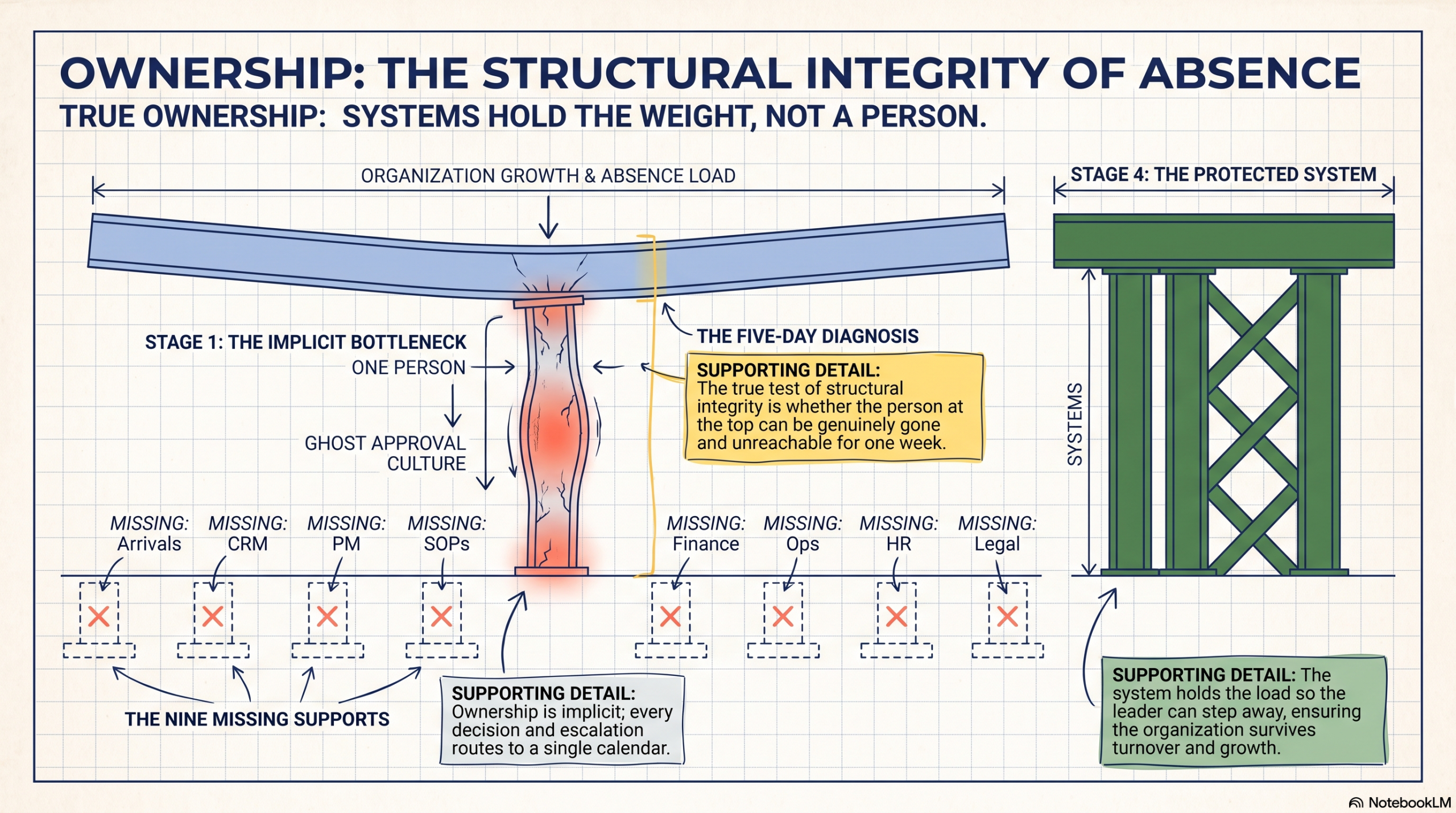
Ownership. Clear ownership means the organization stops running through one person.
Arrivals. A designed arrival means a new hire reaches billable work on a path, not on your calendar.
Exits. A real offboarding means a departure changes who runs the account, not whether the client keeps getting your work.
Ownership. Clear ownership means the firm stops running through you.
Tools
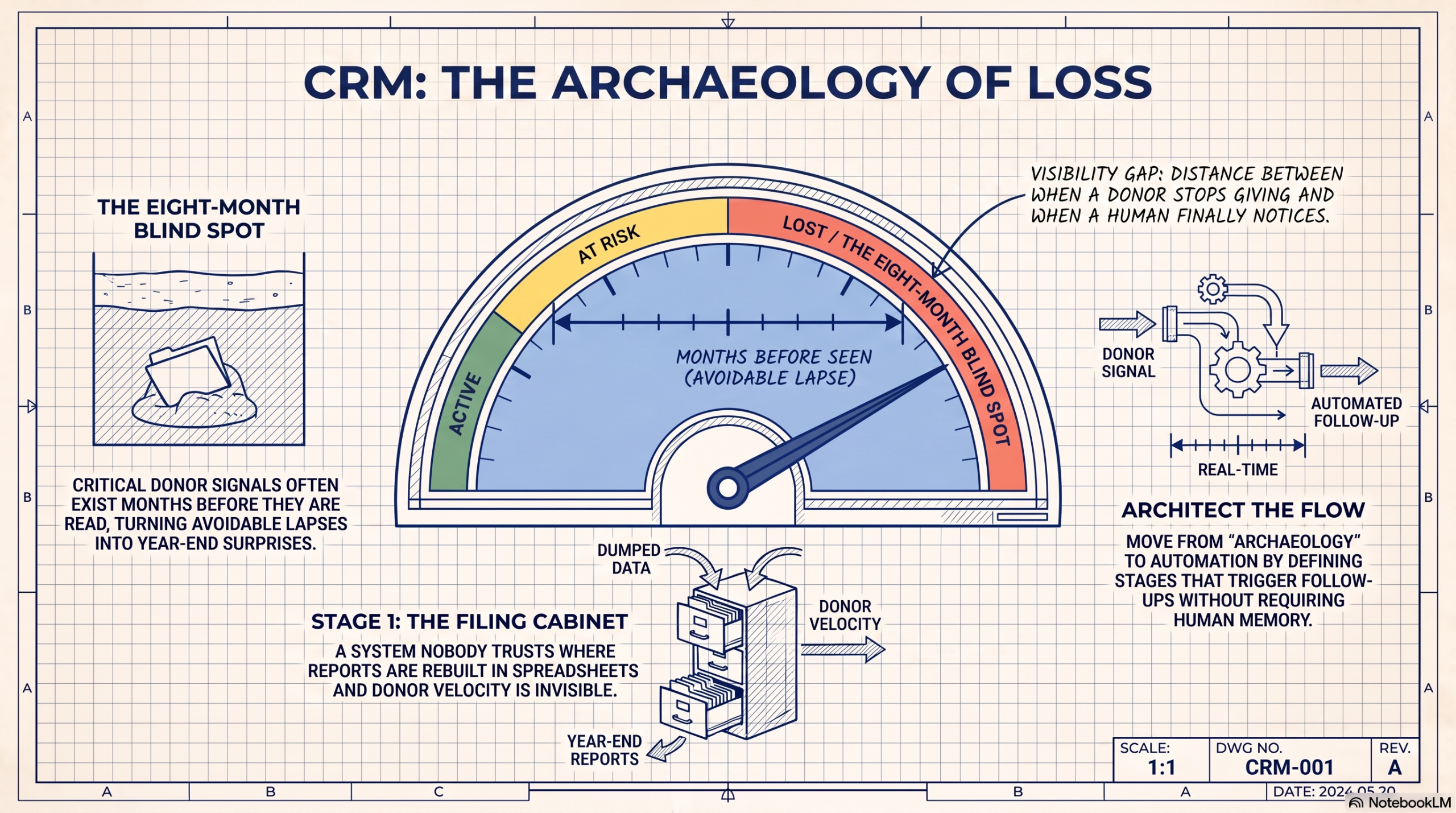
CRM. A CRM that works means no year-end surprise about who quietly stopped giving.
Project Management. A real project system means you learn about a problem before someone has to confess it.
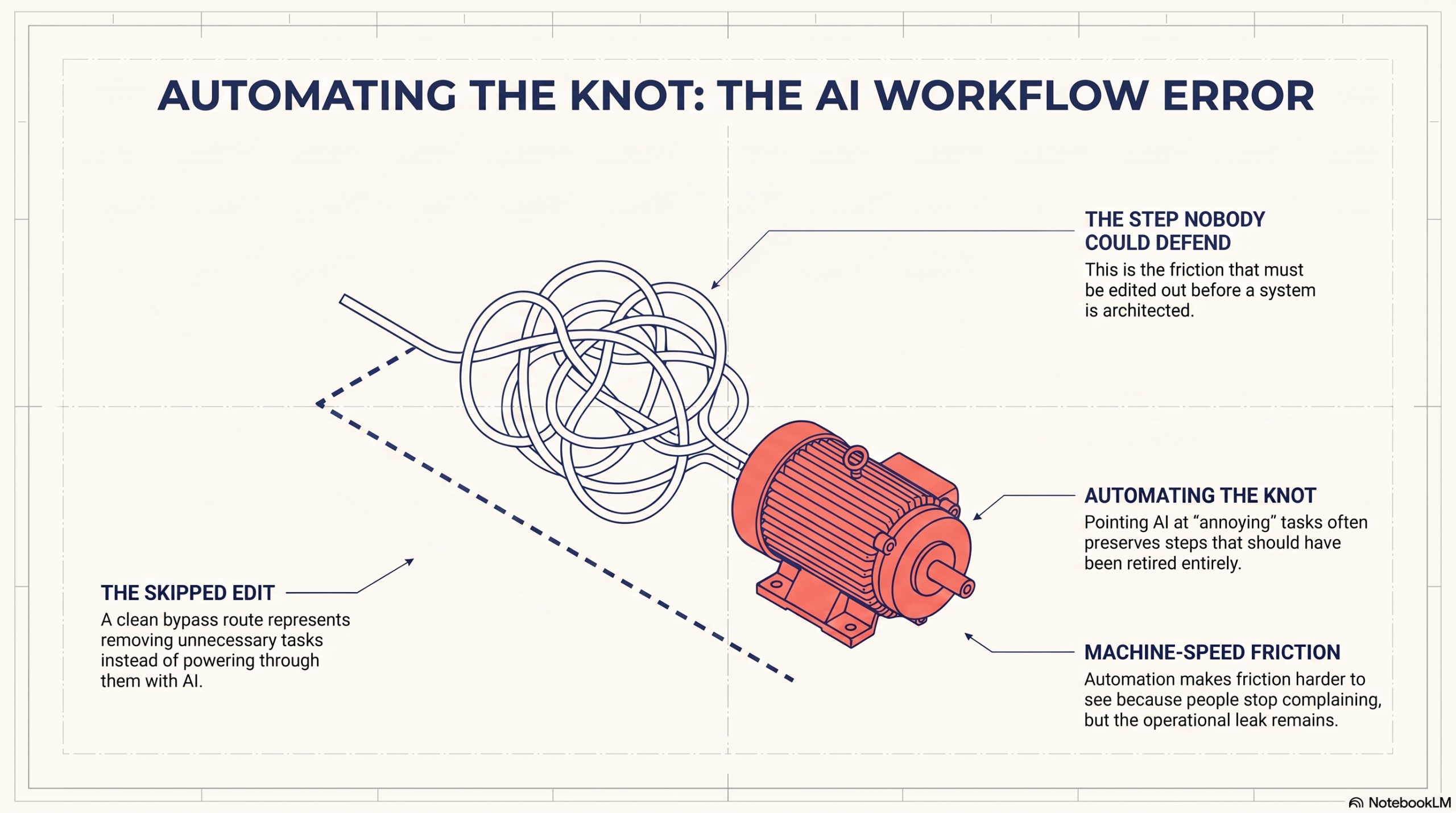
AI Workflows. An AI plan means the repeatable work gets carried by a machine, not by your people.
CRM. A CRM that works means no renewal is a surprise.
Project Management. A real project system means you learn a delivery is at risk from the system, not from a client complaint.
AI Workflows. An AI plan means the hours you get back go to selling and delivering, not to admin that grew again.
Guides
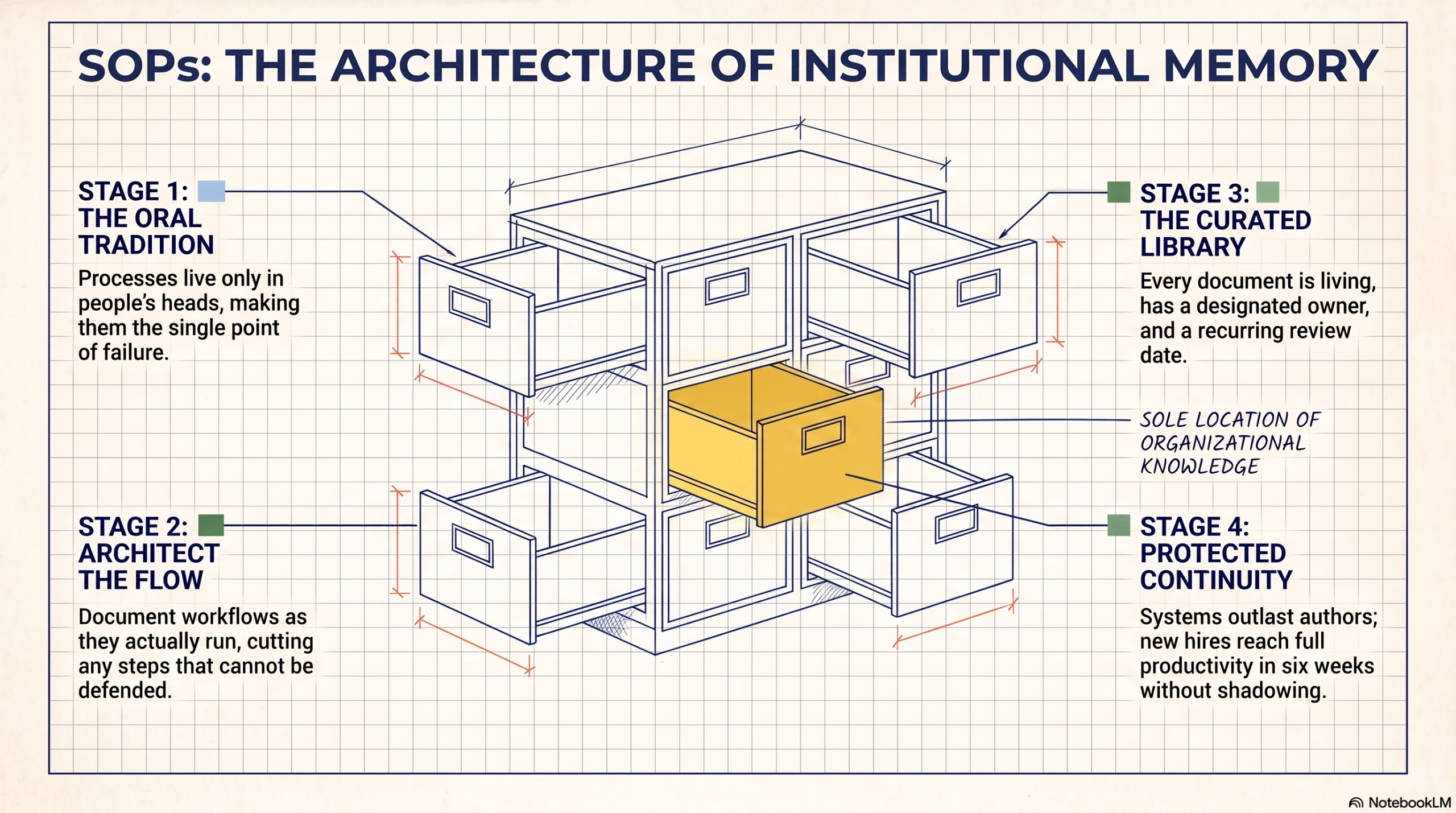
SOPs. Documented workflows mean the answer to how a thing gets done is a document, not a person.
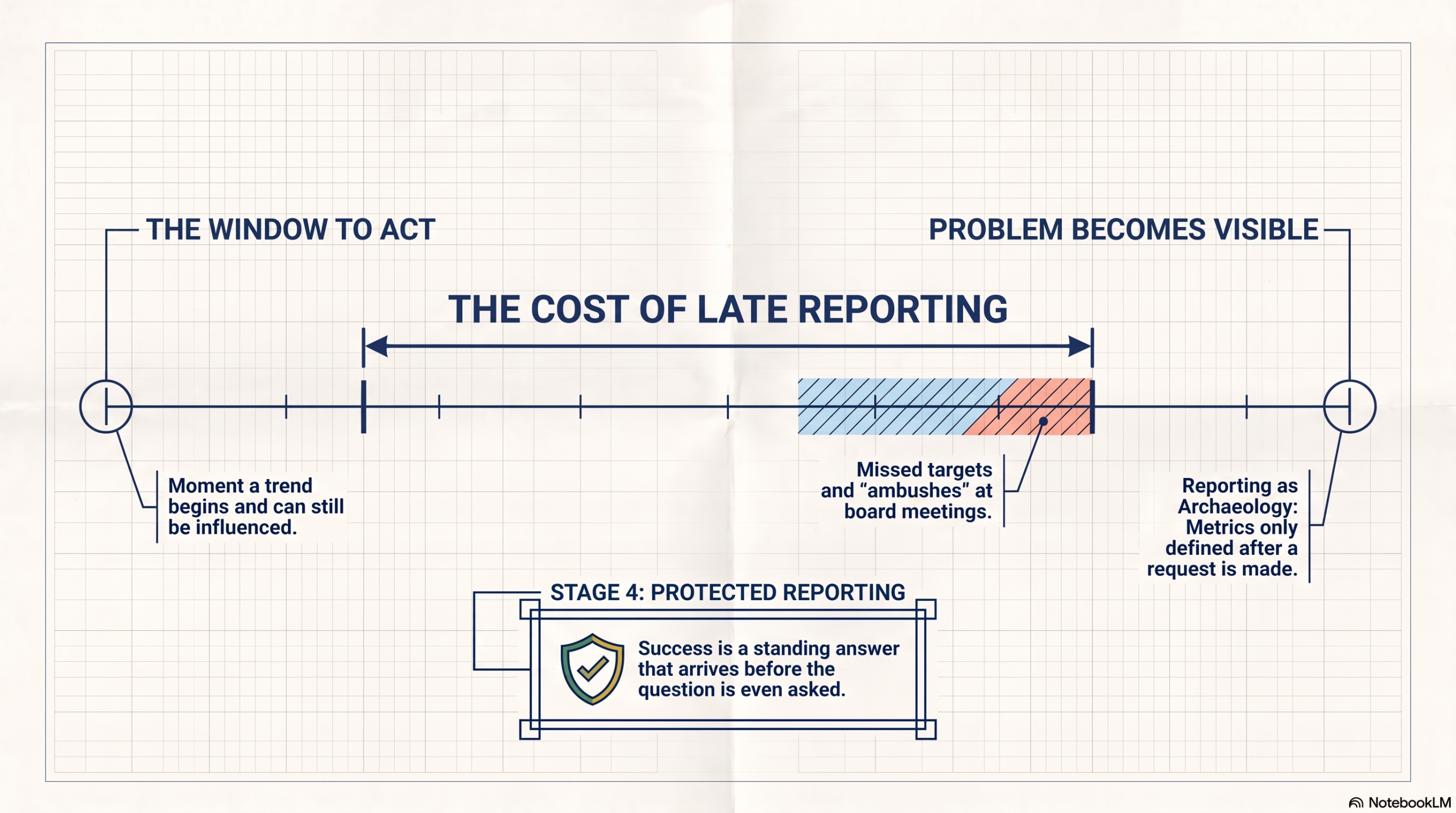
Reporting. Defined reporting means the numbers arrive before the board asks for them.
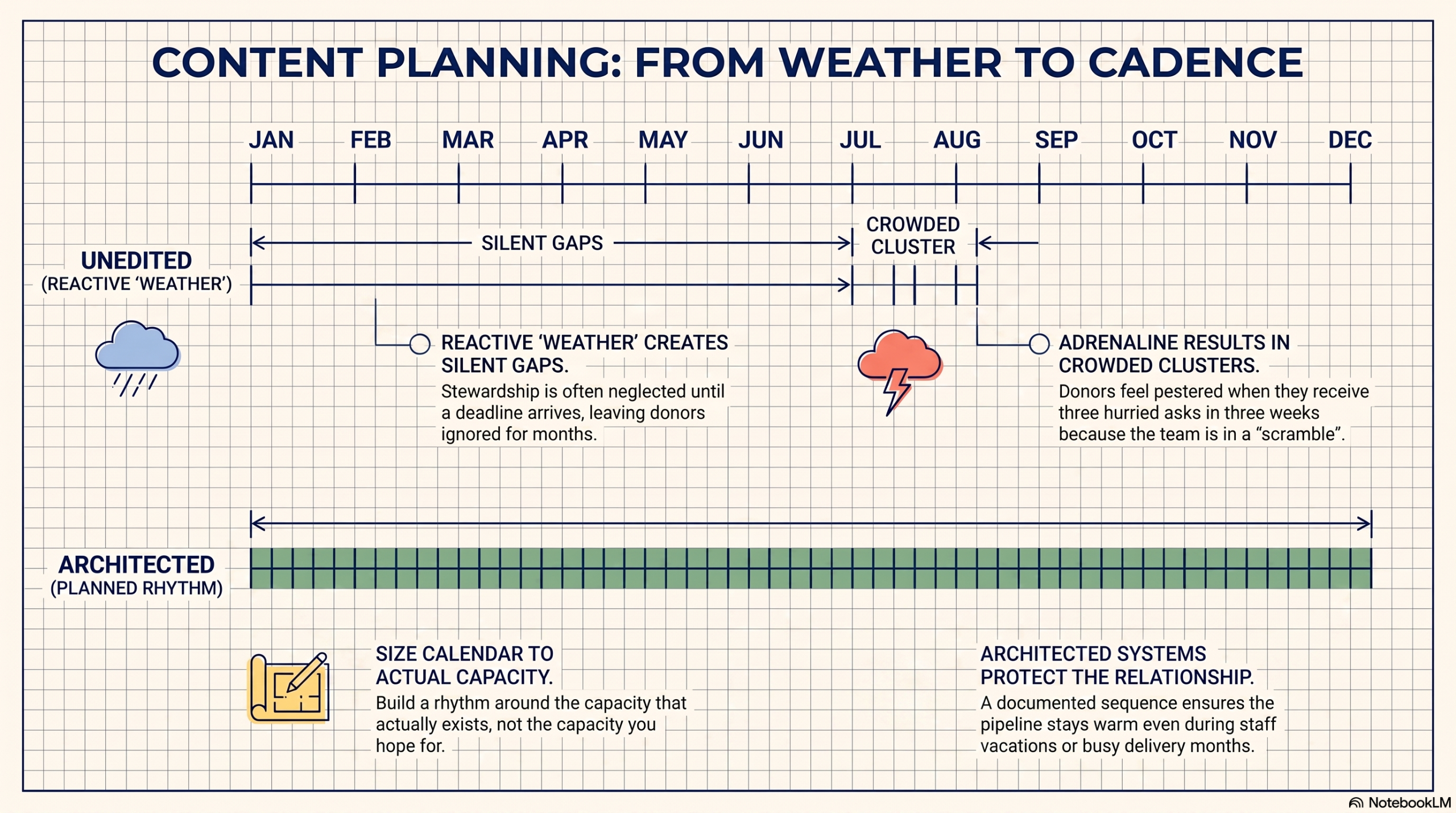
Content Planning. A real communications calendar means no donor’s experience depends on which month they gave.
SOPs. A documented method means your firm can scale, because the product is no longer a person.
Reporting. Defined reporting means overload and margin slippage surface before the quarter closes.
Content Planning. A real BD calendar means your pipeline stays warm through your busiest delivery months.
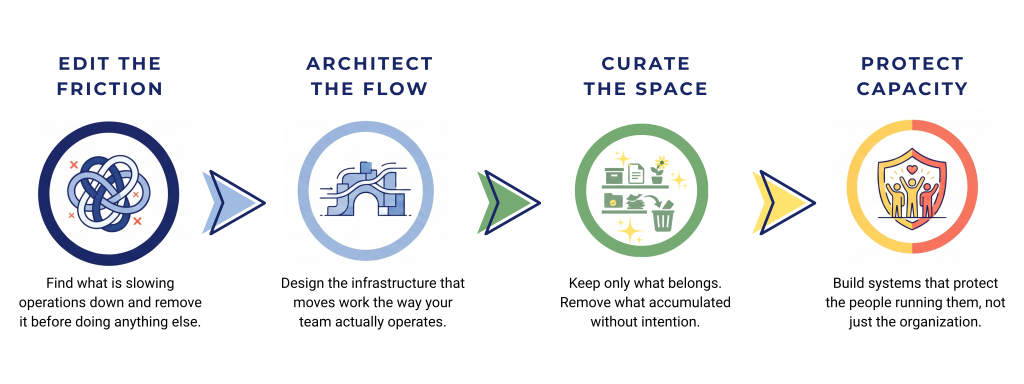
THE FRAMEWORK DEFINED.
Edit the friction
Find what is slowing operations down and remove it before doing anything else.
architect the flow
Design the infrastructure that moves work the way your team actually operates.
CURATE THE SPACE
Keep only what belongs. Remove what accumulated without intention or what no longer serves.
protect capacity
Build systems that protect the people running them, not just the organization depending on them.
THE FRAMEWORK.
Four moves created with lots and lots of trial and error. Almost every operations engagement in this sector starts at the second move, because building looks like progress and cutting looks like nothing happened, so the new database goes in on top of the old mess, the mess comes along with it, and eighteen months later somebody decides the database never worked. We edit first because we spent years watching it happen the other way and seeing fundraising suffer.
The three categories.
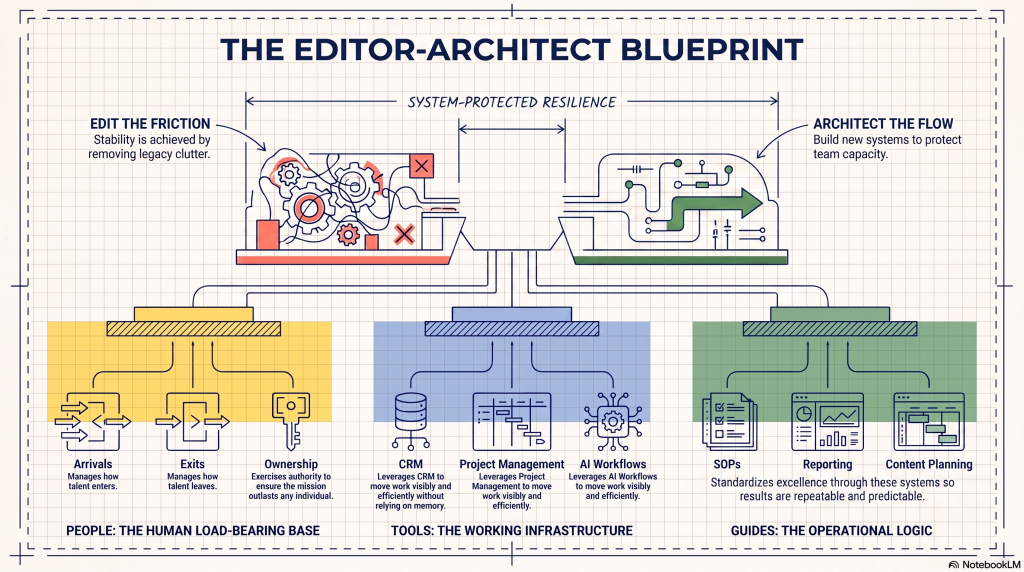
The blueprints below are not a new list. They are the same nine systems, drawn out in more detail so you can see what sits inside each one before you decide whether it is yours.
People. The systems that govern who joins, who leaves, and who decides. This includes arrivals, exits, and ownership.
Tools. The systems that hold and move the actual work, made up of CRMs (databases), project management, and AI workflows.
Guides. The systems that make the work repeatable, visible, and paced through SOPs (Standard Operating Procedures), reporting and content planning.
These blueprints show the method working on real infrastructure.
THE Next Step.
Want to chat about your results? The assessment shows you where your systems stand. A conversation is where you decide what to do about the one that is costing you most. Twenty minutes, one knot, a straight look.