
The Throughline:
a Vivid INstrument
You have taken the tests.
But have you read them together?

The Throughline: a Vivid INstrument
You have taken the tests. But have you read them together?
OPERATIONS WITH A FUNDRAISER’S EYE
The Througline.
Why an Operations Firm Built a personality Tool.
Every operations engagement starts with a read. Before anything gets rebuilt, we spend time on what an organization is actually doing rather than what the org chart says it does, because the gap between those two is where the friction lives and naming it is most of the work.
Our method is to edit the friction, architect the flow, curate the space, and protect capacity, in that order. Editing comes first because the fastest way to give an organization its capacity back is to take something off of it, and that requires knowing which parts of how it works are load-bearing and which are just habit.
Personality and strengths instruments have the same shape as an operational read, and most people have several sets of results filed away somewhere, each one accurate and none of them in conversation with the others. Put side by side, they show a pattern that no single instrument can see on its own, and that pattern points at something you can actually do differently on Monday.
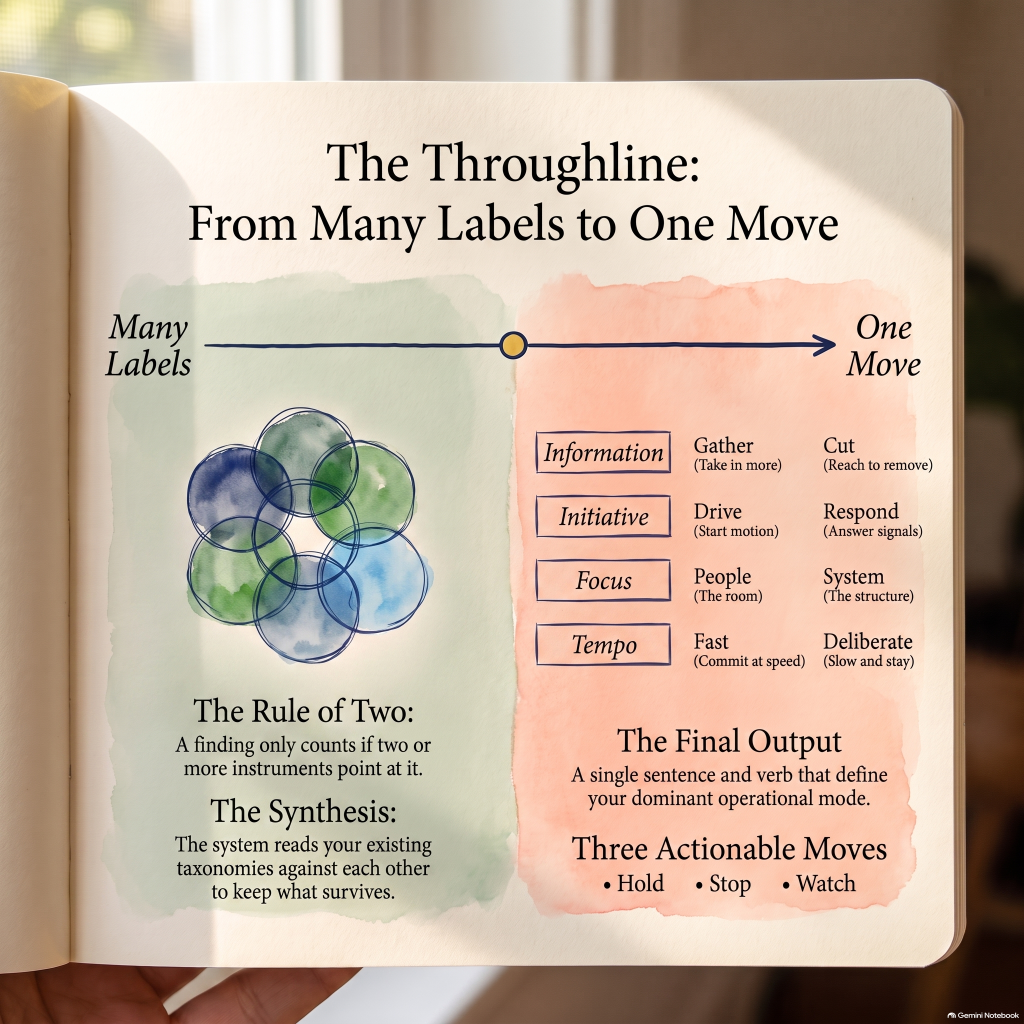
So this tool does what we do on an operation. It reads what already exists, sets aside anything a second source does not confirm, and ends on one move.
Why an Operations Firm Built a personality Tool.
Every operations engagement starts with a read. Before anything gets rebuilt, we spend time on what an organization is actually doing rather than what the org chart says it does, because the gap between those two is where the friction lives and naming it is most of the work.
Our method is to edit the friction, architect the flow, curate the space, and protect capacity, in that order. Editing comes first because the fastest way to give an organization its capacity back is to take something off of it, and that requires knowing which parts of how it works are load-bearing and which are just habit.
Personality and strengths instruments have the same shape as an operational read, and most people have several sets of results filed away somewhere, each one accurate and none of them in conversation with the others. Put side by side, they show a pattern that no single instrument can see on its own, and that pattern points at something you can actually do differently on Monday.
So this tool does what we do on an operation. It reads what already exists, sets aside anything a second source does not confirm, and ends on one move.
What this Measures.
Positive psychology starts from a simple finding: people gain more by developing what already works than by repairing what does not. That is why strengths instruments exist, and why most people have taken several of them and found them useful. Each one is answering its own question well. Put the answers side by side and something further shows up. A pattern that holds across two or more instruments is durable enough to build a week around.
The Throughline reads your existing results against each other and returns what holds, plus one thing worth putting down.
Knowing where your energy actually goes is how you protect it.
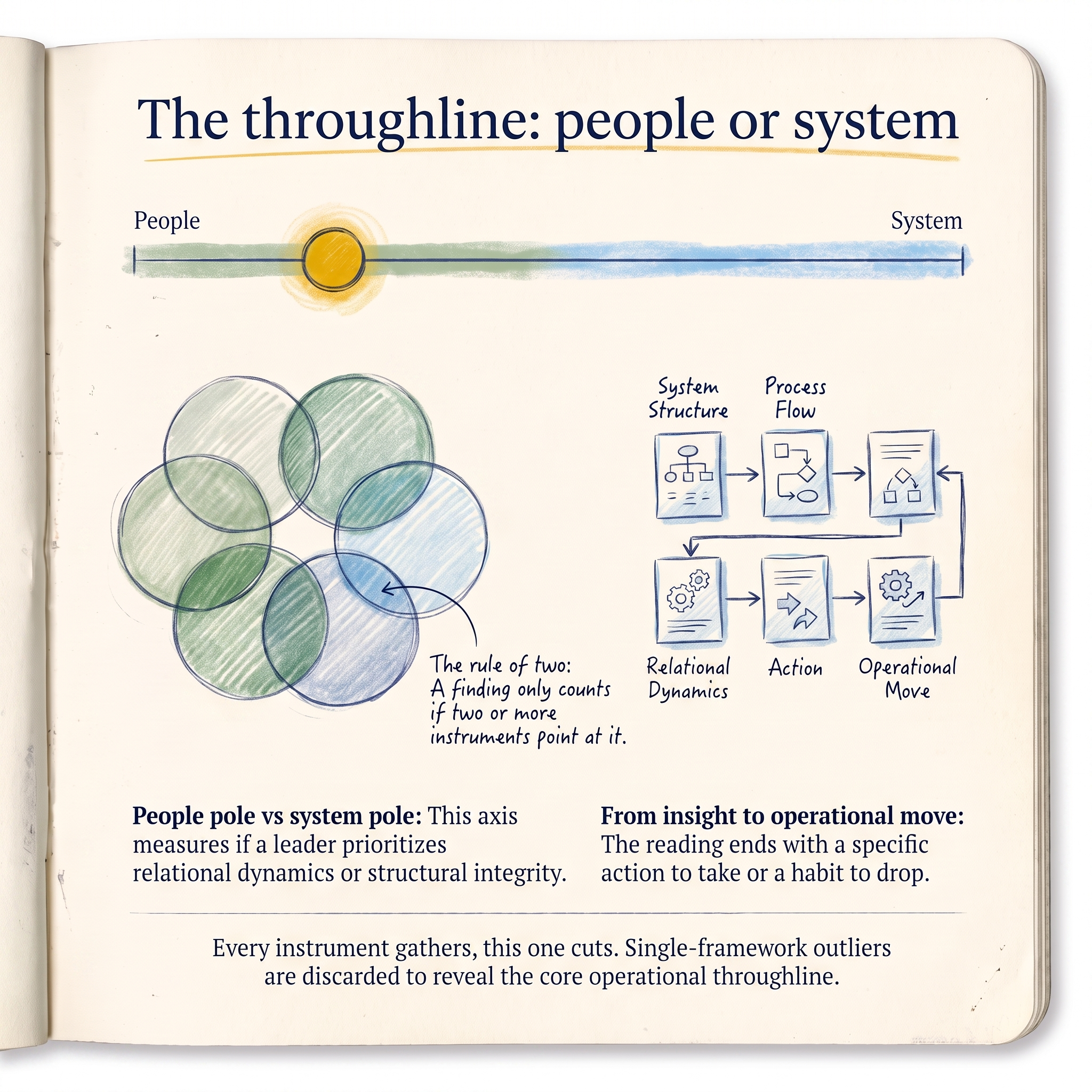
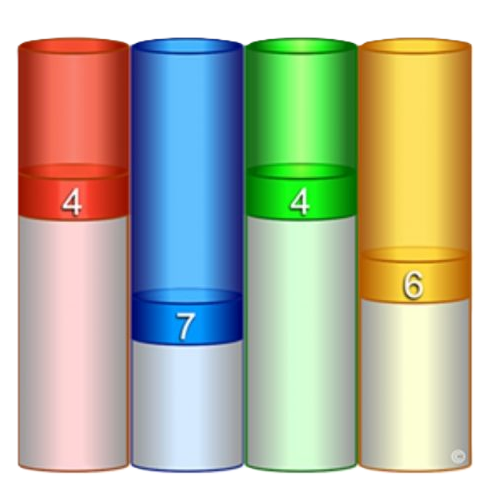
Do you read the room first or the structure first?
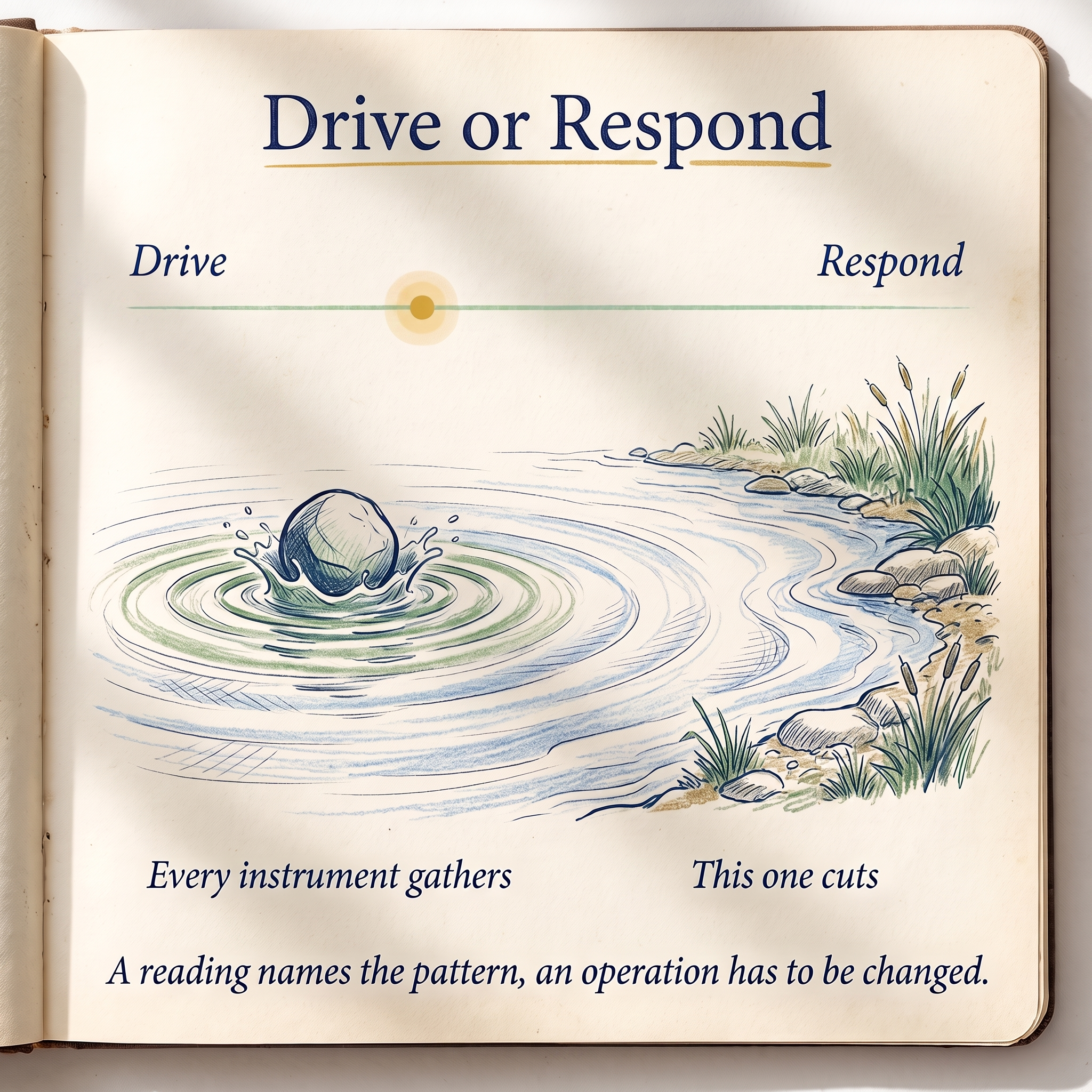
Do you set the pace or wait to meet it when it arrives?
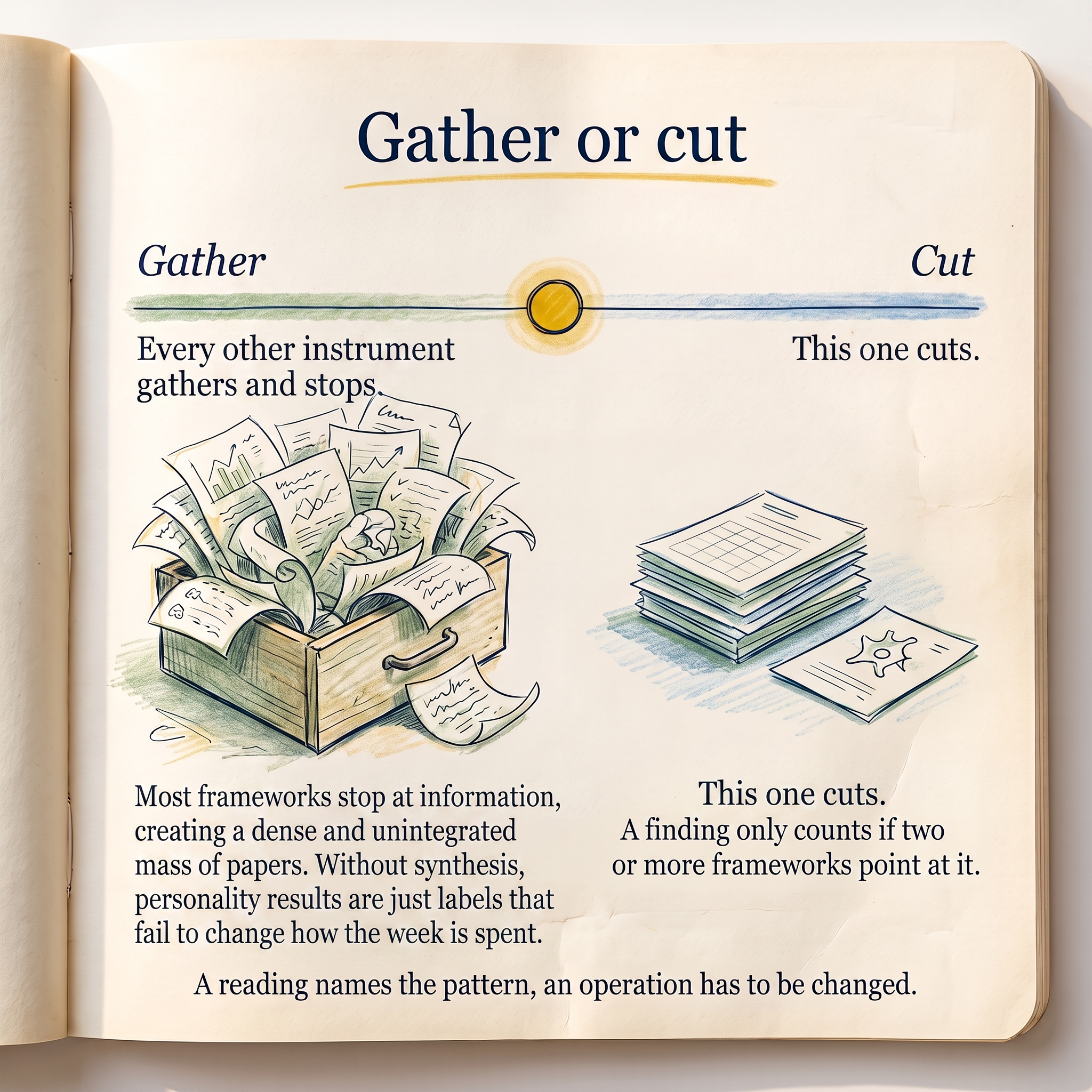
Do you reach for more information or fewer options?
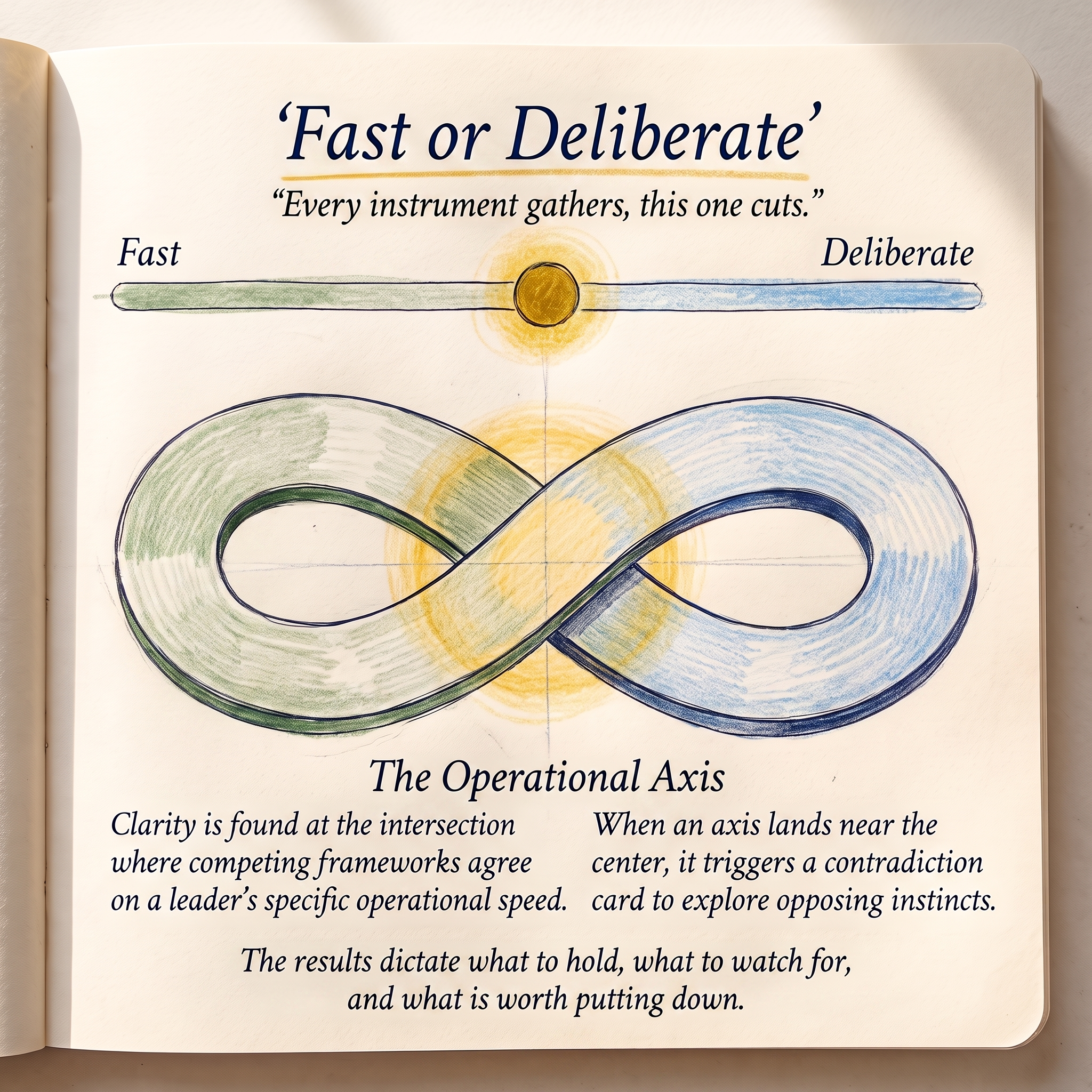
Do you commit early or hold out for more?
Why these Twelve.
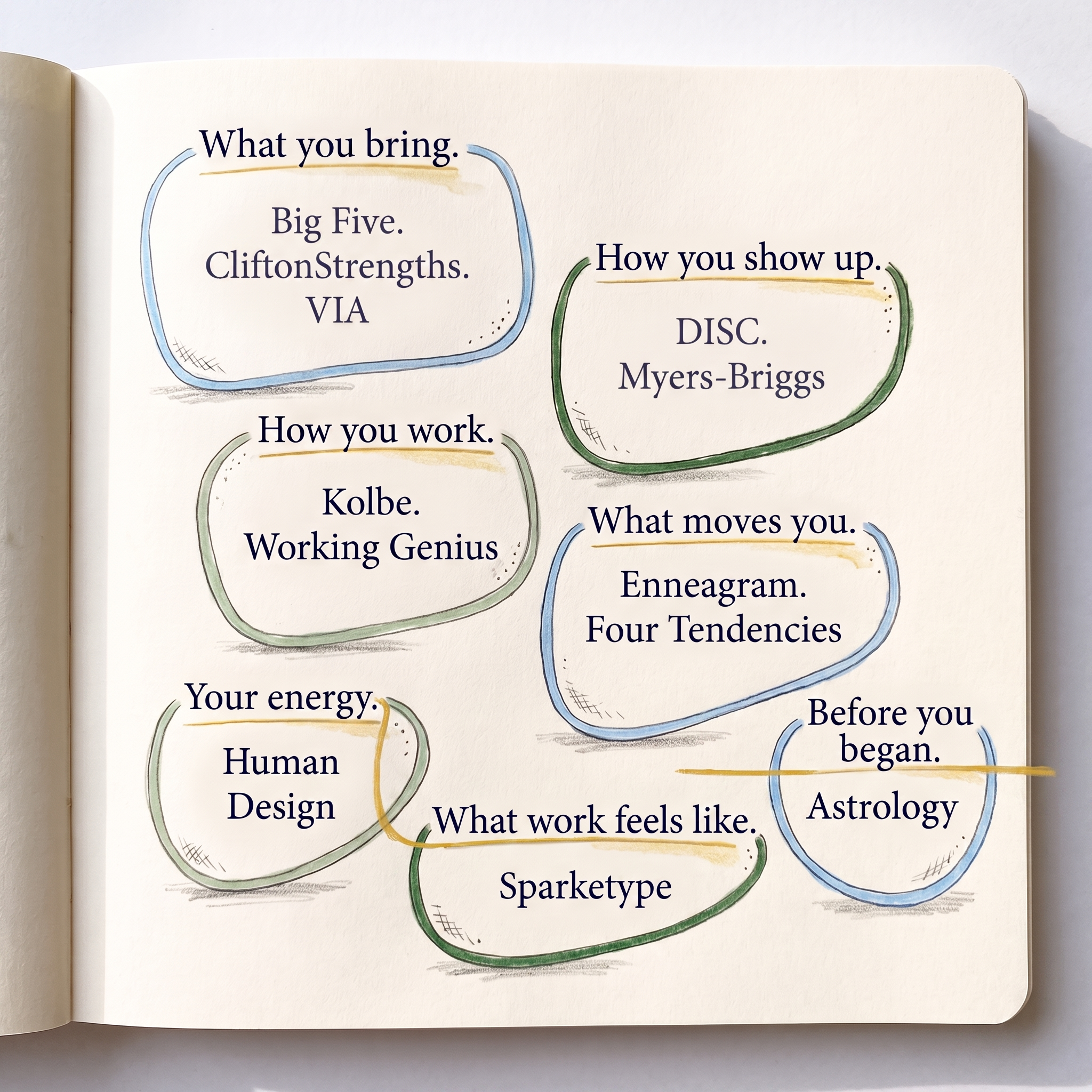
Many of these instruments are the ones people have already taken. Some arrived through an employer, some through a coach, some through a curious weekend. Rather than asking anyone to sit for something new, the tool works with results that are already in a drawer or an old email. They also measure genuinely different things, which is what makes cross-reading possible.
- Big Five and CliftonStrengths and VIA answer three separate questions about what you bring, measured traits, ranked talent, and stated values.
- Kolbe and Working Genius describe how you start work and where you lose steam.
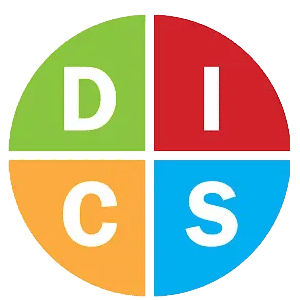
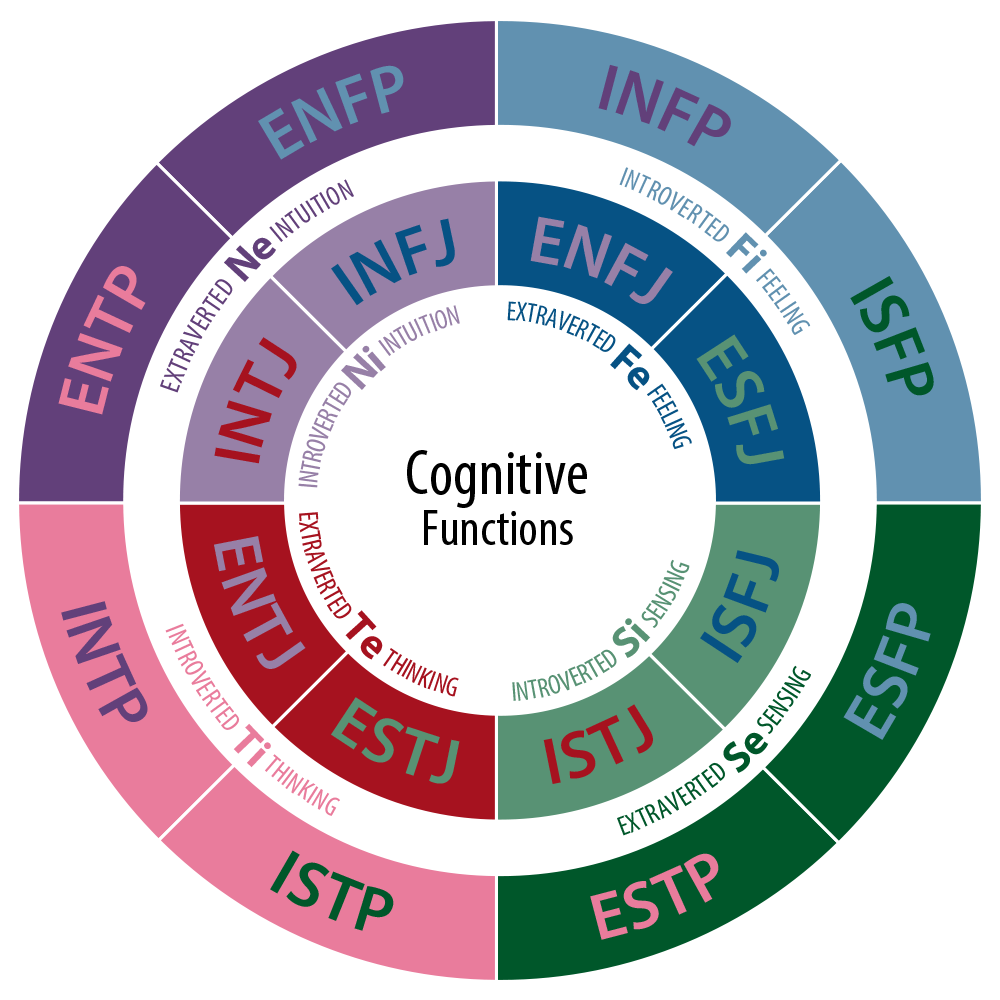
- DISC and Myers-Briggs read how you show up around other people.
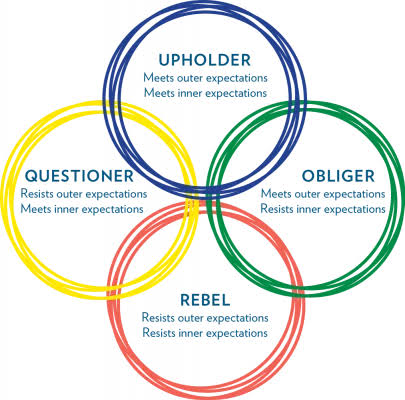
- Enneagram and The Four Tendencies come at motivation from underneath.
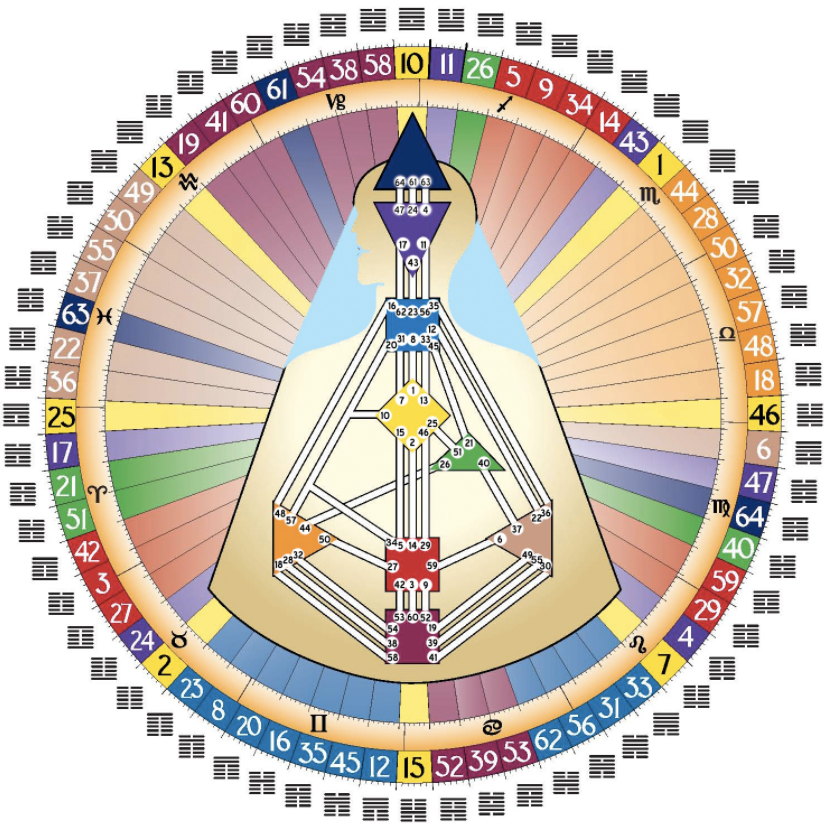
- Human Design describes when you initiate and what it costs you to get that backwards.
- Sparketype asks what the work itself has to feel like, including the shadow, the thing you are good at that quietly drains you.
- Astrology is the oldest instrument in the set and the only one that describes you before you did anything, and it is here because plenty of people know their placements and treat them as real information about themselves.
Why these Twelve.
Many of these instruments are the ones people have already taken. Some arrived through an employer, some through a coach, some through a curious weekend. Rather than asking anyone to sit for something new, the tool works with results that are already in a drawer or an old email. They also measure genuinely different things, which is what makes cross-reading possible.
- Big Five and CliftonStrengths and VIA answer three separate questions about what you bring, measured traits, ranked talent, and stated values.
- Kolbe and Working Genius describe how you start work and where you lose steam.
- DISC and Myers-Briggs read how you show up around other people.
- Enneagram and The Four Tendencies come at motivation from underneath.
- Human Design describes when you initiate and what it costs you to get that backwards.
- Sparketype asks what the work itself has to feel like, including the shadow, the thing you are good at that quietly drains you.
- Astrology is the oldest instrument in the set and the only one that describes you before you did anything, and it is here because plenty of people know their placements and treat them as real information about themselves.
The instrument.
In order to get the best results, you must have at least two assessment results (to take more, visit the links below). The whole method is cross-reference, so a single result has nothing to check itself against and the reading comes back empty. With two, anything they both point at holds and everything else gets cut, which usually leaves a short reading. Three or more is where it gets sharp, because agreement across instruments built on different assumptions is much harder to explain away than agreement between two. Most people have four or five somewhere without realizing it.
Where to take the External Assessments.
These are instruments we have found useful, not endorsements. Vivid has no affiliation with any of them and receives nothing if you take one. Availability, cost, and quality vary, so use your own judgment about what is worth your time.
Your Birth Chart
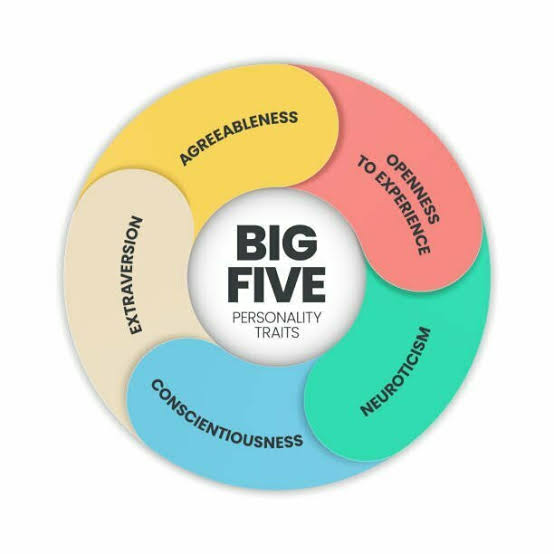
Measures Traits





WHAT IT FOUND IN MINE.
ENFJ. Id. Kolbe 4-7-7-3. Questioner. Scientist and Essentialist. Tenacity and Galvanizing. Fairness. Manifesting Generator. Aquarius sun, Scorpio rising.
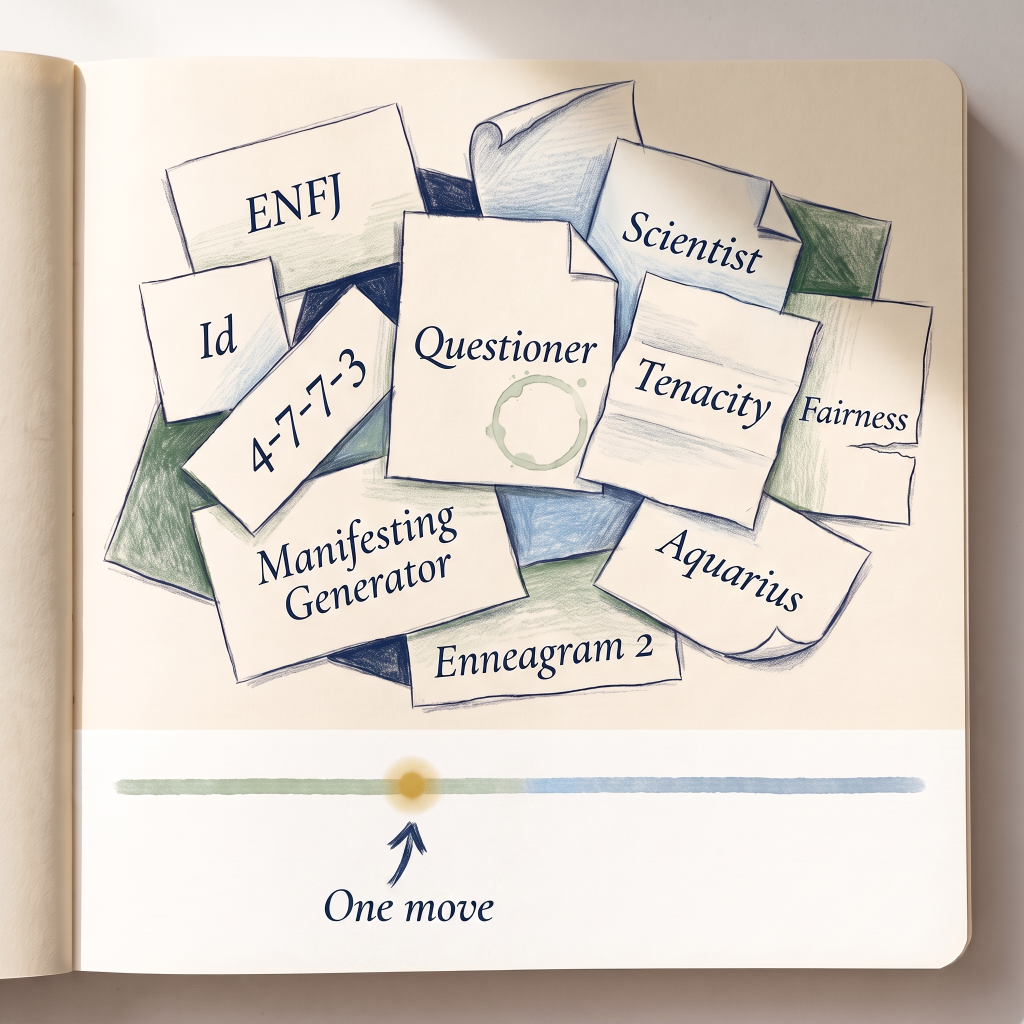
I ran it on my own results first, nine frameworks I had collected over my career, plus others I found while creating this instrument.
It told me I read the room before I read the plan, and that my energy comes from and returns to other people. That part I already knew. What I did not know is that three instruments were saying it at once, in three different vocabularies, which turned a preference into something structural.
Then it named the thing I had been calling a discipline problem. I start before I have finished deciding, and I hold what I start for a long time. Neither of those is a flaw on its own. Together they mean I can accumulate more live commitments than any one person should carry, and I will keep every one of them past the point they earn the room.
THE Next Step.
You already have the results. They are in an old email, a folder called Reference, a PDF you have not opened since the workshop where you got it. Put in two or more and see what holds. If what comes back is interesting and you want to talk it through, or you want the same read run on an operation instead of a person, the door is open.